Information on this site is advertising in nature
Modern car at fuel station

Understanding Vehicle Fuel Types: A Comprehensive Comparison Guide

Make informed decisions about your vehicle's fuel source. We analyse petrol, diesel, electric, and hybrid options to help you choose what works best for your driving needs and budget.

Explore Our Analysis Services
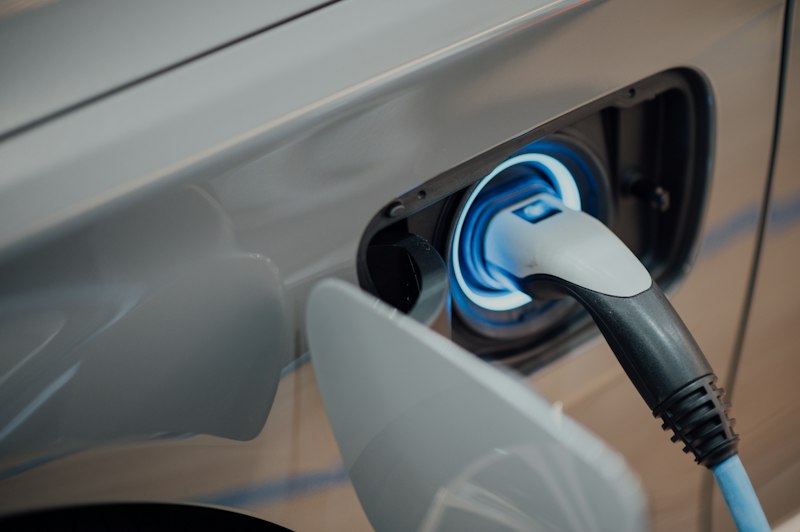
Electric vehicle charging

The Rise of Electric Vehicles in the UK

Battery electric vehicles have transformed from niche products to mainstream options. With over 450,000 pure electric cars registered in Britain by late 2023, the shift is undeniable. Charging infrastructure now includes more than 45,000 public charging points, making long-distance travel increasingly practical.

Running costs present a compelling case. Electricity costs approximately 7-8 pence per mile compared to 15-20 pence for petrol vehicles. However, the higher purchase price means break-even typically occurs after three to five years of ownership.

Get Your Fuel Assessment

Petrol Vehicles: Traditional Choice

Petrol engines remain the most common powertrains on British roads. They offer smooth acceleration, wide model availability, and lower initial purchase costs. Modern petrol engines achieve significantly better fuel economy than their predecessors, with many small cars reaching 50-60 miles per gallon.

Advantages
  • Lower purchase price
  • Widespread fuel availability
  • Smoother at low speeds
  • Quieter operation
Considerations
  • Higher fuel costs per mile
  • Greater CO2 emissions
  • Less efficient for motorway driving
  • ULEZ charges apply to older models

Diesel Engines: The Motorway Companion

Diesel vehicles excel at sustained motorway speeds and heavy loads. Their higher torque output makes them suitable for towing caravans or trailers. While sales have declined due to emission concerns, modern diesel engines with AdBlue technology meet strict Euro 6 standards.

Advantages
  • Better fuel economy on motorways
  • Higher torque for towing
  • Longer engine lifespan
  • Lower CO2 per mile
Considerations
  • Higher NOx emissions
  • Particulate filter maintenance
  • Not ideal for short journeys
  • Clean air zone charges

Hybrid Technology: The Middle Ground

Hybrid vehicles combine internal combustion engines with electric motors, offering flexibility that pure electric or traditional vehicles cannot match. Self-charging hybrids recover energy during braking, while plug-in hybrids can travel 30-50 miles on electric power alone.

For drivers who split time between city commutes and longer journeys, hybrids eliminate range anxiety while reducing fuel consumption. Many owners report 60-70 miles per gallon in mixed driving conditions.

Did You Know?

A typical plug-in hybrid can save £800-1,200 annually compared to a petrol equivalent, assuming regular home charging and a 25-mile daily commute.

Calculate Your Savings

Hybrid vehicle dashboard display

Fuel Cost Comparison Table

Annual running costs based on 10,000 miles typical UK driving

Fuel Type Annual Fuel Cost Road Tax Average Insurance Total Running Cost
Petrol £1,650 £180 £520 £2,350
Diesel £1,450 £180 £540 £2,170
Hybrid £1,200 £165 £580 £1,945
Electric £750 £0 £620 £1,370

What Our Clients Say

Real feedback from vehicle owners who used our fuel analysis services

"The fuel efficiency report helped me realise that switching to a hybrid would save me nearly £1,500 annually. The analysis was thorough and genuinely useful."

Sarah M.
Birmingham

"I was convinced electric was the answer, but the compatibility check showed my driving patterns actually favour a plug-in hybrid. Practical advice that saved me making an expensive mistake."

David T.
Manchester

"Running a small delivery fleet, the optimisation consultation identified changes that reduced our monthly fuel bill by 22%. Completely worthwhile investment."

Rachel K.
Leeds

Environmental Considerations

Choosing a fuel type involves more than running costs. The UK government has committed to banning new petrol and diesel car sales by 2035. Current incentives include grants of up to £2,500 for electric vehicles and exemption from the London Congestion Charge.

Well-to-wheel emissions vary significantly between fuel types. While electric vehicles produce zero tailpipe emissions, the overall environmental impact depends on electricity generation methods. As the UK grid increasingly relies on renewable sources, EVs become progressively cleaner.

Discuss Your Options
Green energy and sustainability concept

Ready to Find Your Ideal Fuel Type?

Our specialists analyse your specific driving patterns, budget, and requirements to recommend the most suitable and economical option.

View Our Services

Our Analysis Services

Professional fuel efficiency and compatibility assessments

Fuel Efficiency Analysis

Comprehensive assessment of your current vehicle's fuel consumption with actionable recommendations to reduce costs.

£89 per report
Learn More

Compatibility Assessment

Detailed evaluation matching your driving habits, routes, and requirements with the most suitable fuel type.

£125 per assessment
Learn More

Fleet Optimisation

Strategic analysis for business fleets to minimise fuel expenditure while maintaining operational efficiency.

£349 per consultation
Learn More

Alternative Fuel Report

In-depth comparison of electric, hybrid, and hydrogen options tailored to your circumstances.

£175 per report
Learn More

Important Notice: The information provided on this website is for general guidance purposes only. Fuel costs and efficiency figures are estimates based on average UK conditions and may vary depending on individual driving styles, vehicle condition, and market fluctuations. This content does not constitute professional automotive or financial advice. We recommend consulting with qualified mechanics or automotive specialists before making vehicle purchase decisions. Results from our analysis services are projections and actual savings may differ from estimates provided.